
As K-pop continues to dominate global music charts and fashion scenes, understanding the evolution of its style is crucial. Korean music and K-pop tutorials Korea have become cultural exports, influencing styles worldwide. However, the intricate interplay of music, lyrics, and visual aesthetics in K-pop creates a unique fashion narrative that goes beyond trends. This historical journey will examine the transformation of K-pop fashion from its early days, when groups like BTS emerged, to the intricate and globalized looks of today. By exploring the cultural references, double meanings, and fan theories woven into the fabric of K-pop, we'll uncover the secrets behind its enduring and dynamic fashion trends.
- Early Influences: Pre-K-Pop Fashion in Korea
- The Rise of K-Pop and Its Style Evolution
- 2000s: Streetwear Meets K-Pop Aesthetics
- Globalization's Impact: K-Pop's Global Fashion Reach
- Visual Concepts: K-Pop Videos as Fashion Guides
- Redefining Gender Norms: K-Pop's Influence
- Sustainability and K-Pop's Fashion Future in Korea
Early Influences: Pre-K-Pop Fashion in Korea
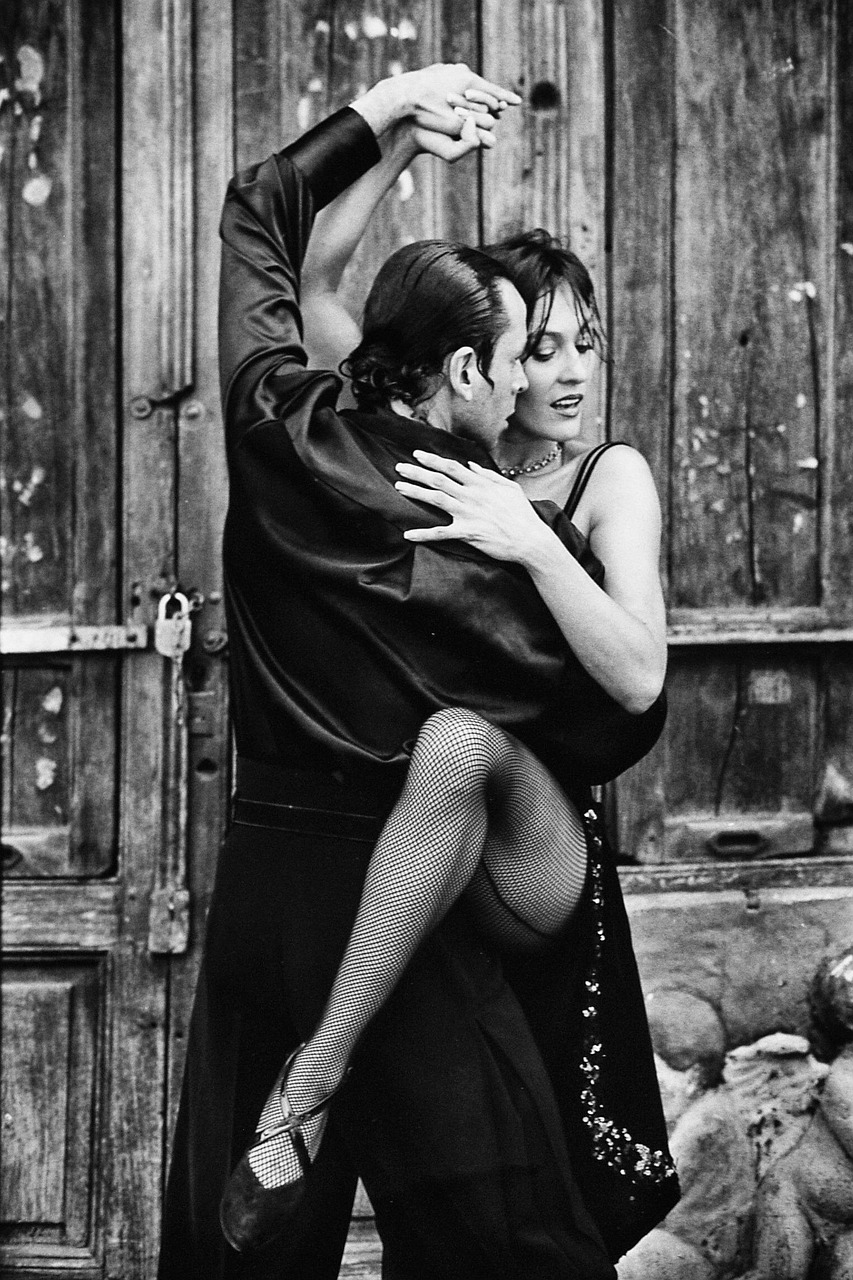
Before the global phenomenon of K-pop took the world by storm, South Korea had a vibrant and evolving fashion scene that set the stage for the industry we know today. Understanding the early influences of pre-K-pop fashion in Korea is crucial for any comprehensive journey through K-pop culture. This era, characterized by a unique blend of traditional and modern styles, laid the foundation for the intricate and fashionable world of K-pop music and its accompanying tutorials in Korea.
The fashion trends of this period were not just about clothes; they were a form of self-expression, heavily influenced by the country's rich cultural heritage. Traditional Korean attire, such as the hanbok, with its flowing silks and precise embroidery, coexisted with the practical yet stylish streetwear of the urban youth. This mix of old and new inspired a generation of designers who would later contribute to K-pop fashion. The incorporation of double meanings and cultural references in K-pop lyrics would find its visual counterpart in clothing designs that played with symbolism and tradition.
In the build-up to the K-pop boom, nearby K-pop vocal workshops and dance classes became hubs of creativity. Trusted K-pop dance teachers and music video editors honed their skills, waiting for the moment to contribute to the global phenomenon. These professionals, steeped in the culture and trends of the time, helped shape the aesthetic that would later define K-pop fashion. The result was a unique fusion of traditional and modern elements, appealing to both domestic and international audiences. This historical context is vital for understanding the evolution of K-pop fashion and its enduring appeal, as the industry continues to grow and adapt.
The Rise of K-Pop and Its Style Evolution

The emergence of K-pop as a global cultural phenomenon has significantly influenced the music industry and fashion trends worldwide. In the heart of this movement, pop tutorials Korea has become a hub for aspiring artists and fans eager to immerse themselves in the genre. Korean music and K-pop tutorials Korea offer a unique blend of musical instruction and cultural exploration, enabling students to examine the intricate choreography and expressive styles that define K-pop.
The evolution of K-pop fashion is a captivating narrative within the broader K-pop culture. As K-pop gained traction in the late 2000s and early 2010s, so did its distinctive aesthetic. Groups like BTS, under the tutelage of SM Entertainment, began to experiment with fashion, incorporating bold colors, unique cuts, and intricate patterns into their stage outfits. This shift marked a departure from the more conservative styles of previous generations, attracting a younger audience and fostering a sense of individuality within the fandom. Professional K-pop dance choreography for events became a cornerstone of performances, with intricate steps and synchronized movements that demanded both precision and artistic expression.
Trusted K-pop dance teachers in pop tutorials Korea play a vital role in shaping this trend. These instructors, often former dancers or choreographers, impart their knowledge to students, teaching them not only the moves but also the cultural context behind the fashion. Through detailed analyses of lyrics and cultural references, students learn to interpret and embody the messages within K-pop songs. A teacher might discuss the double meanings in a song's lyrics and how they can be expressed through body language and dance, fostering a deeper connection to the music and its underlying themes. Reviews for K-pop dance studios in pop tutorials Korea consistently highlight the importance of this immersive learning experience, where students not only master the moves but also develop a keen eye for the evolving K-pop fashion trends.
2000s: Streetwear Meets K-Pop Aesthetics

In the 2000s, K-pop began to intertwine with global fashion trends, creating a unique fusion that captivated audiences worldwide. This era saw the rise of streetwear as a dominant aesthetic in K-pop music videos and performances. Korean music and K-pop tutorials Korea became a melting pot of hip-hop influences, urban street styles, and graphic designs. Artists like BTS, known for their dynamic choreography and distinctive fashion sense, played a pivotal role in popularizing this streetwear-meets-K-pop look. Their iconic outfits, often featuring oversized clothing, bold graphics, and sneakers, became a signature of their brand and influenced fans worldwide to embrace this relaxed yet trendy vibe.
This fashion trend was not only about the clothes but also the music and the culture. K-pop fan engagement platforms like Naver and V Live allowed global fans to connect, share their love for the music, and discuss the latest fashion trends. Fan communities analyzed lyrics and cultural references, unearthing double meanings and hidden messages within the songs, which further enriched the overall K-pop experience. The licensed K-pop music composition courses that emerged during this time reflected this cultural exchange, offering aspiring composers a way to understand and replicate the unique sound and structure of K-pop.
The 2000s also marked a significant shift in how K-pop fans could engage with the genre. Emergency K-pop dance classes near me became a popular phenomenon, with fans eager to replicate the intricate choreography they saw in music videos. Professional K-pop dance choreography for events started gaining traction, allowing fans to immerse themselves fully in the K-pop experience. These classes not only improved fans' dancing skills but also served as a way to connect and build community among K-pop enthusiasts. The fusion of music, dance, and fashion created a dynamic and inclusive environment, making K-pop a global cultural force in the 2000s.
Globalization's Impact: K-Pop's Global Fashion Reach

As K-pop's global reach expanded, so too did its influence on fashion trends, marking a significant shift in the industry. The phenomenon, largely driven by platforms like YouTube and the dedication of fans worldwide, has seen K-pop become a cultural juggernaut that transcends borders. This globalization has not only impacted the music scene but has left an indelible mark on the fashion world, with K-pop tutorials from Korea becoming a significant export.
Experienced K-pop music producers for hire and professional composition services have played a pivotal role in this evolution. They've adapted their craft to cater to a global audience, incorporating cultural references and double meanings that resonate across languages and borders. A producer might craft a melody that subtly incorporates a traditional Korean instrument, seamlessly blending East and West. This attention to detail not only showcases the artist's skill but also invites listeners worldwide to connect with the music on a deeper level.
The reach of K-pop fashion trends can be seen in the popularity of same-day K-pop dance workshops popping up in cities around the globe. These workshops not only teach fans the latest dance moves but also encourage them to embrace the aesthetic, from makeup artists' techniques to hair stylists' signature looks. K-pop tutorials from Korea have become a blueprint for aspiring artists, with fans eager to emulate the styles they see in music videos and live performances. This has led to a diverse and dynamic exchange of fashion ideas, as local trends blend with global influences, creating a unique and changing K-pop fashion landscape.
Visual Concepts: K-Pop Videos as Fashion Guides

The visual landscape of K-pop has evolved dramatically since its inception, with music videos playing a pivotal role in shaping trends that extend far beyond the screen. In the bustling pop tutorials Korea, idol training centers like SM Entertainment and top-rated programs certified by industry giants have become magnets for aspiring performers. These institutions not only hone singing and dancing skills but also emphasize visual artistry, making them invaluable fashion guides.
K-pop videos are meticulously crafted, integrating fashion trends with cultural references and double meanings that encourage viewer engagement. A video might feature a dramatic shift in an idol's look, from a sweet, pastel-clad schoolgirl to a bold, edgy streetwear icon, each outfit telling a story. Make-up artists and hair stylists collaborate closely with choreographers and lyric analysts to create looks that not only complement the song's message but also resonate with global audiences. The popularity of these videos on platforms like YouTube and Naver's Melon and Genie Music further solidifies their influence.
Top-rated K-pop cover bands in Korea also contribute to this trend, as they meticulously recreate these visuals, providing a tangible connection for fans worldwide. By studying these performances and videos, fans can decipher the layers of symbolism, from designer brands to hair accessories, that have become integral to the K-pop aesthetic. This deep examine the fashion trends of Korean music and K-pop tutorials Korea reveals a dynamic interplay of artistry, culture, and community engagement, making K-pop a global phenomenon that transcends language and borders.
Practical advice for aspiring fashion enthusiasts interested in K-pop's visual concepts involves paying close attention to details: from the fabric choices and cut of an outfit to the styling of hair and makeup. Engaging with online communities, following top-rated K-pop idol training centers, and studying official music videos can offer valuable insights into these trends. Remember, K-pop fashion is not just about mimicry; it's about understanding and interpreting the narrative behind each look, adding a personal touch that makes it truly your own.
Redefining Gender Norms: K-Pop's Influence
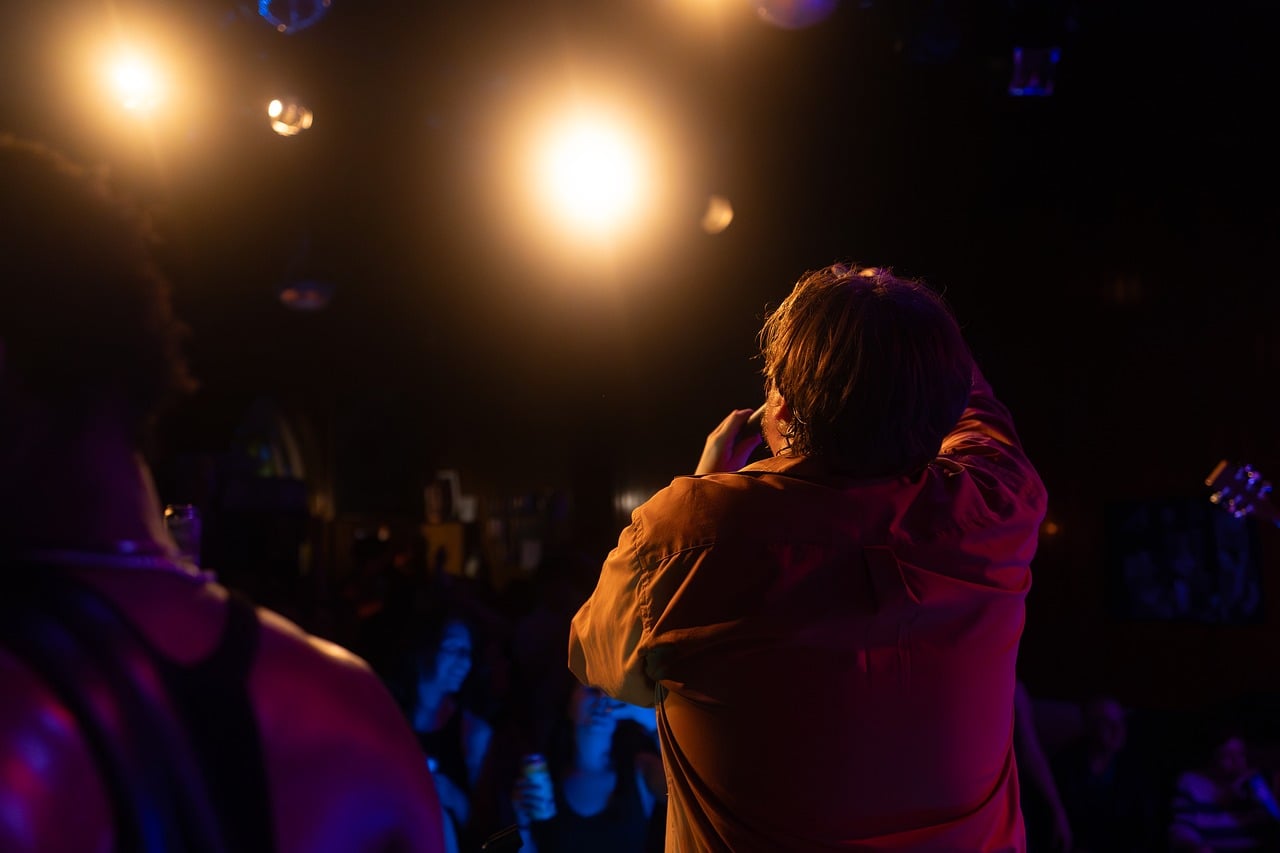
K-pop, a dynamic and influential musical phenomenon originating in South Korea, has not only redefined the global music landscape but has also left an indelible mark on fashion trends. As the popularity of Korean music and K-pop tutorials in Korea soared, so did the cultural export's impact on challenging and reshaping conventional gender norms through its unique aesthetic expression. This evolution is a sign of the power of K-pop as a cultural force, with its influence extending far beyond the music industry.
At the heart of K-pop's success lies its ability to blend catchy melodies with intricate choreography, often accompanied by visually stunning fashion choices. The industry, fueled by platforms like YouTube and streaming services, has cultivated a dedicated global fan base eager to emulate the idolized artists. This phenomenon has prompted a significant shift in gender representation and expression within the music industry, not just in Korea but worldwide. K-pop groups like BTS, known for their intricate choreography and distinct fashion sense, have led the charge in challenging stereotypes. Their music videos and performances showcase diverse and fluid gender roles, with members often adopting androgynous styles, breaking down traditional barriers. This artistic expression is not merely a visual spectacle but a powerful statement on gender equality and fluidity.
The impact of K-pop's gender-bending fashion trends can be seen in the rise of professional K-pop music composition services and top-rated idol training centers in Korea. These institutions not only teach the art of performance but also emphasize the importance of image and style. Trusted K-pop dance teachers and stylists play a pivotal role in shaping the look and feel of K-pop acts, ensuring that the music is accompanied by a visual narrative that resonates with audiences. The iconic hair and makeup looks of K-pop idols, often featuring bold colors and experimental cuts, have become a cultural phenomenon, inspiring fans worldwide to embrace their individuality. This evolution in fashion and self-expression is a sign of K-pop's enduring impact, as it continues to redefine and expand the boundaries of gender norms in the entertainment industry and beyond.
Sustainability and K-Pop's Fashion Future in Korea

As K-pop continues its global domination, a fascinating sub-culture has emerged centered around its fashion trends. In Korea, the heart of K-pop itself, sustainability is increasingly becoming a key focus, shaping the future of the industry. This shift is not just a trend but a response to the growing awareness of environmental issues among fans and the industry itself.
Top-rated K-pop idol training centers in pop tutorials korea are now integrating sustainability into their curricula. They're teaching students not just about the latest styles, but also about the ethical considerations behind fashion choices. This includes understanding the environmental impact of fast fashion and learning about sustainable production methods. Some schools now offer workshops on upcycling clothes and creating unique looks from existing pieces, reducing the demand for excessive manufacturing.
The trusted K-pop music video editing services and music production schools in Busan are also playing their part. They're encouraging students to incorporate eco-friendly themes into their videos and productions. This doesn't just promote sustainability, it also allows for creative expression, as artists explore ways to tell stories that resonate with the growing environmentally conscious audience. A practical example from these schools is the use of digital backdrops and minimal sets to reduce waste and energy consumption during shoots.
Looking ahead, the K-pop fashion industry in Korea is poised to embrace a more sustainable future. This evolution is not just about responding to current trends but about ensuring the longevity of the industry. By integrating sustainability into the fabric of K-pop fashion, the industry can continue to thrive while minimizing its environmental footprint. As fans, we can support this change by actively seeking out and promoting sustainable K-pop fashion choices, ensuring that the music and its trends remain as vibrant and responsible as ever.
Frequently Asked Questions About A Historical Journey Through K-Pop Fashion Trends
What is the significance of K-Pop fashion trends in the global music industry? K-Pop, or Korean pop music, has become a global cultural phenomenon, and its fashion trends play a crucial role in this success. The unique and vibrant style of K-Pop outfits has not only influenced fans worldwide but also attracted the attention of the fashion industry. These trends often incorporate bold colors, intricate patterns, and experimental cuts, reflecting the dynamic and innovative spirit of Korean youth culture.
How have K-Pop fashion trends evolved over the years? The evolution of K-Pop fashion is a fascinating journey. Early K-Pop fashion in the 2000s was heavily influenced by Western pop styles, featuring baggy jeans and oversized tops. As the genre matured, so did the fashion, with a shift towards more sophisticated and tailored looks. The 2010s saw an explosion of colorful, playful, and often eccentric styles, with groups like BTS and BLACKPINK leading the way. Today, K-Pop fashion continues to push boundaries, drawing inspiration from traditional Korean aesthetics and modern global trends.
Who are some influential K-Pop artists known for their fashion choices? Several K-Pop artists have made significant impacts on the fashion world with their unique style. BTS, for instance, has a dedicated fan following for their fashion choices, often sporting bold and colorful outfits. Girls' Generation has also left a mark, known for their chic and elegant looks. These artists use their fashion as a form of self-expression, reflecting their personalities and captivating global audiences.
How do K-Pop fashion trends impact the global fashion industry? K-Pop fashion trends have a significant global reach and influence. The popularity of K-Pop has led to a growing demand for the clothing and accessories worn by its artists. Many international fashion brands have started collaborating with K-Pop entities to create exclusive collections, fusing Western and Korean fashion aesthetics. This cultural exchange has resulted in a vibrant and diverse fashion landscape, inspiring designers worldwide.
Are there any notable K-Pop fashion events or awards? Absolutely! The Seoul Fashion Week is a highly anticipated event that showcases the latest trends in Korean fashion, including K-Pop influences. The MAMA (Music Video Grand Prize) awards also celebrate the artistic achievements in K-Pop, with fashion playing a significant role in the performances and red-carpet appearances. These events highlight the fusion of music and fashion, providing a platform for K-Pop artists to display their unique style.
As we've traced the historical journey of K-pop fashion trends through the years, from its early influences to its current global impact, several key insights emerge. K-pop, driven by iconic groups like BTS and powered by platforms like YouTube and Naver, has not only redefined Korean music and K-pop tutorials Korea but also left an indelible mark on global fashion. The 2000s marked a pivotal moment when streetwear seamlessly blended with K-pop aesthetics, launching a wave of accessible, youth-driven fashion. This fusion of music and style continues to gain traction worldwide, with K-pop music videos serving as visual fashion guides that influence trends across borders.
K-pop has challenged conventional gender norms, promoting inclusivity and diversity in both its music and fashion. This trend is set to continue as the industry emphasizes sustainability, aligning with the evolving values of younger generations. Moving forward, K-pop's fashion future in Korea is poised for innovation, driven by its global reach and the industry's adaptability.
The evolution of K-pop fashion reflects a dynamic interplay of cultural influences, technological advancements, and social changes. Understanding these trends offers a glimpse into the dynamic world of Korean music and K-pop tutorials Korea, providing valuable insights for fashion enthusiasts, industry professionals, and anyone interested in the intersection of music and culture.
The evolution of K-pop fashion in Korea is a captivating journey that intertwines cultural heritage, musical innovation, and global influence. Pre-K-pop fashion trends, characterized by a blend of traditional and modern styles, laid the groundwork for the industry's unique aesthetic. Trusted K-pop dance teachers and music professionals shaped this trend, contributing to the global phenomenon. Today, K-pop tutorials Korea offer a hub for learning not only dance and music but also the intricate fashion that defines the genre. This includes adapting to global trends, embracing sustainability, and interpreting cultural references, all while fostering a community of fans who connect through shared styles.